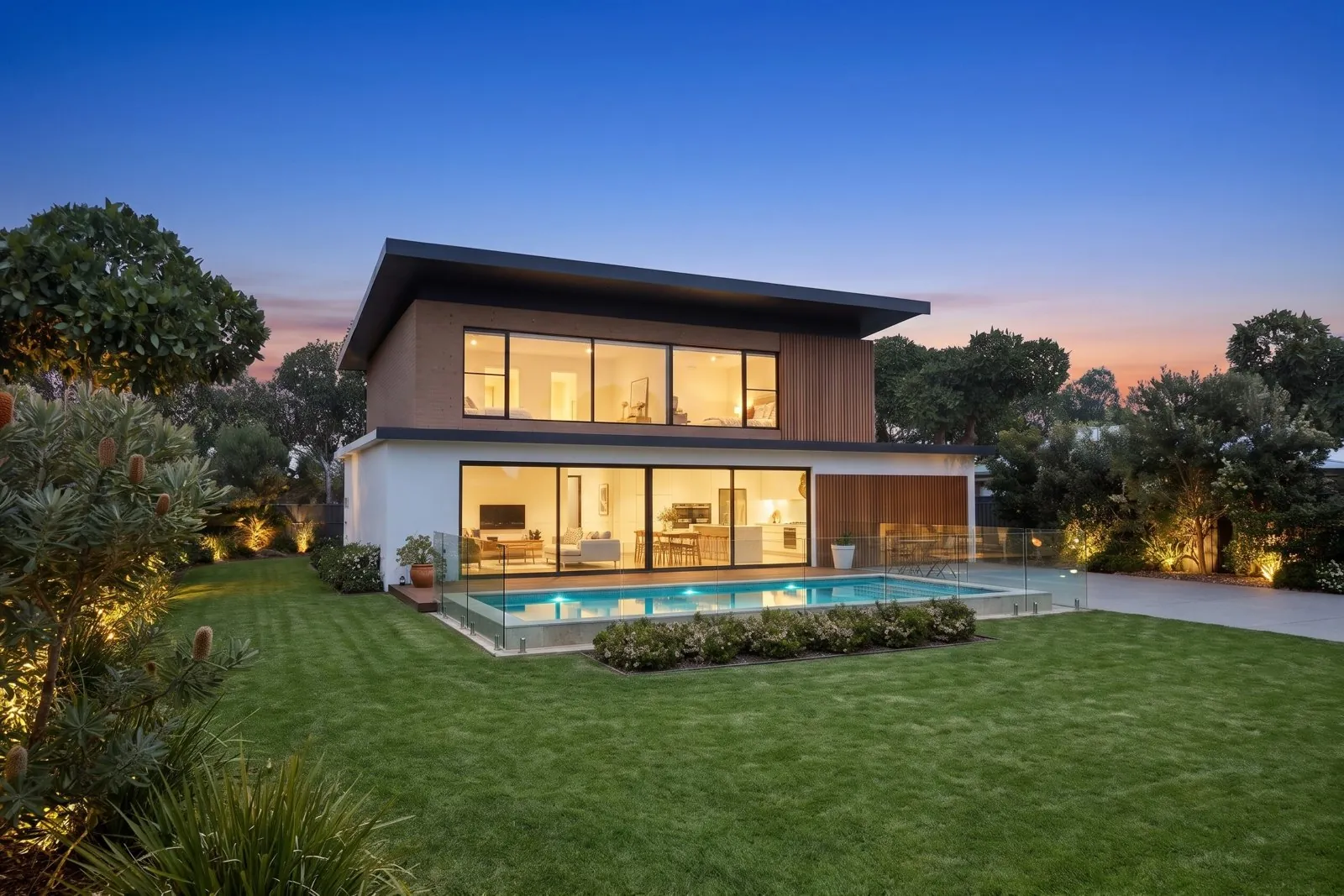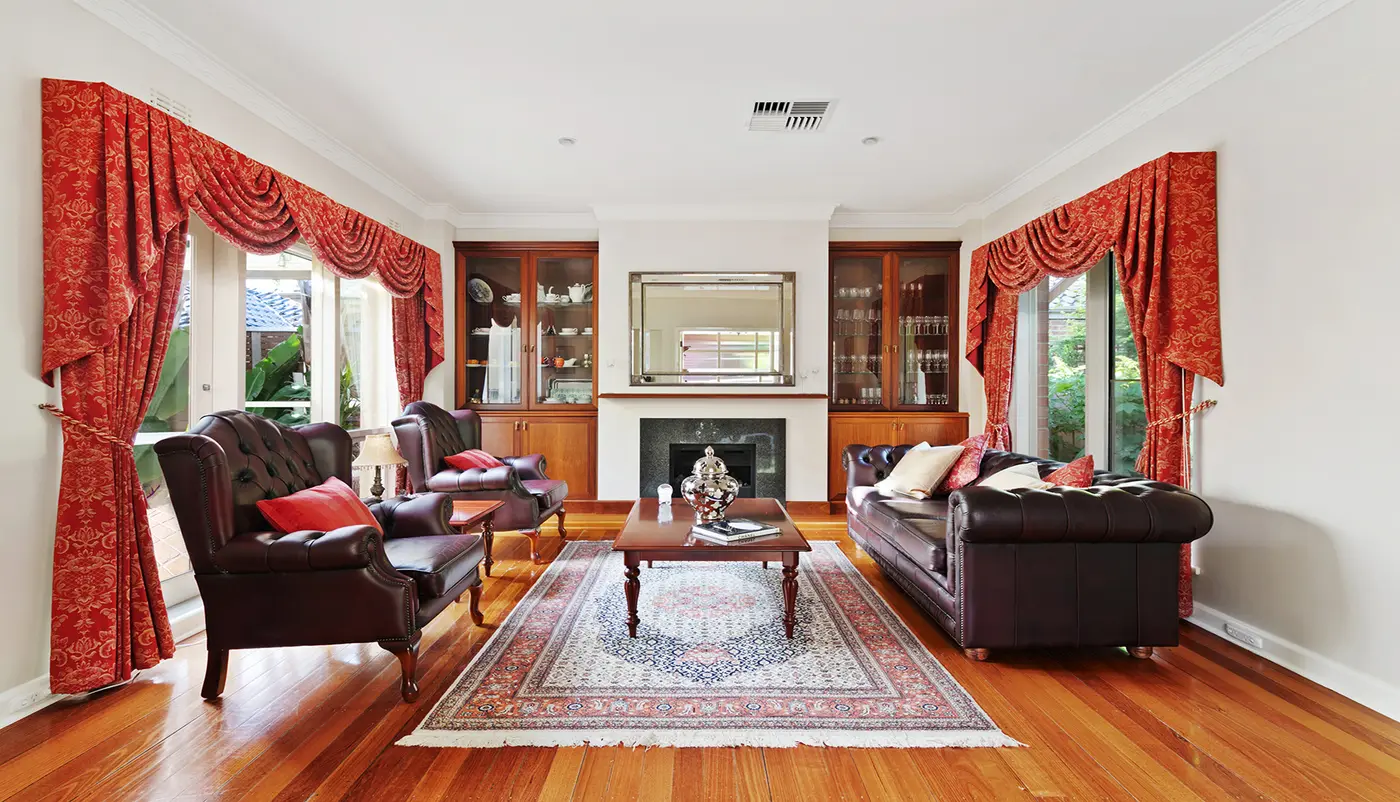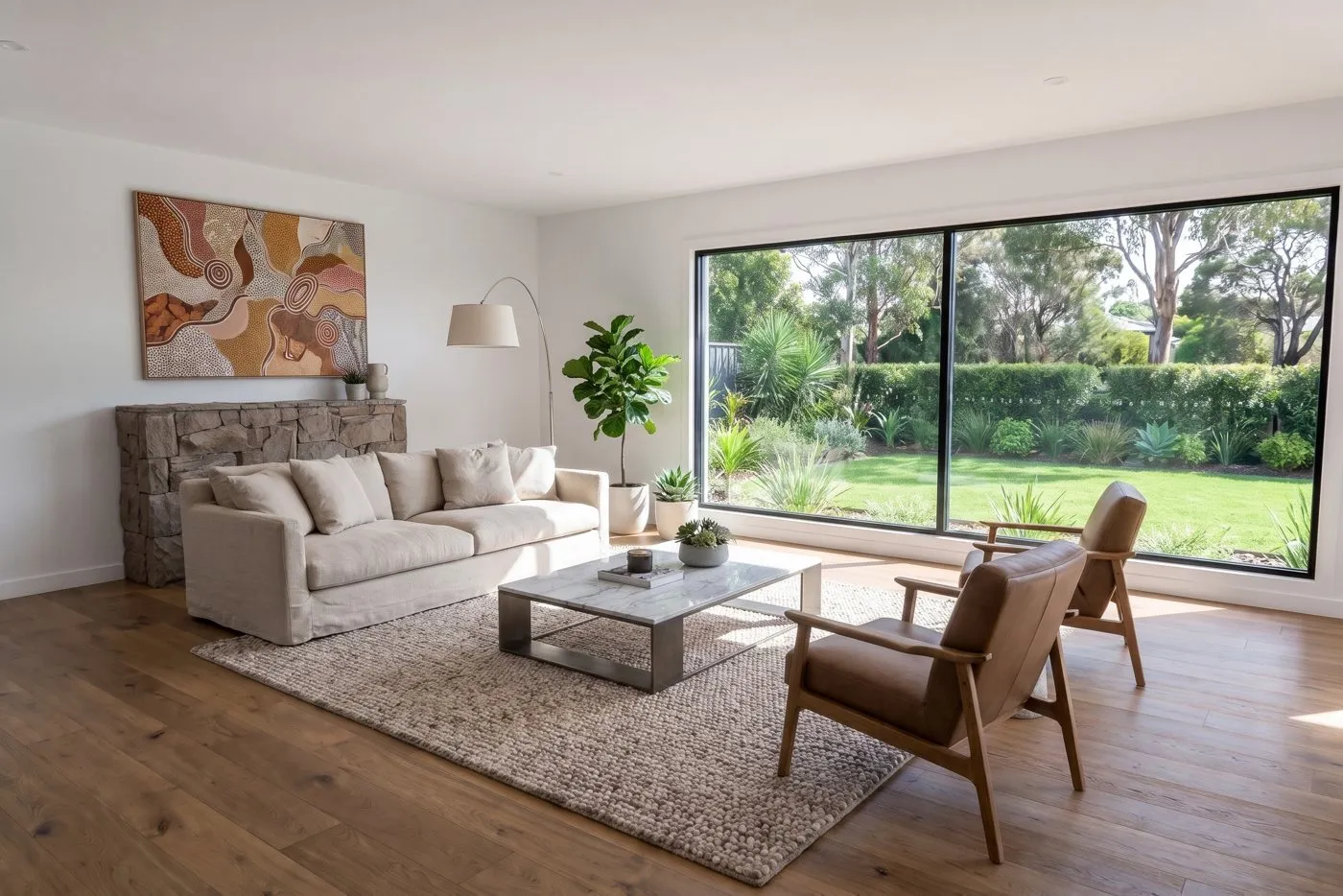
Buyers feel a photo before they read the listing. In the first second, before the price or the number of bedrooms, they already know if a home feels warm, calm and somewhere they could live. That feeling is what hand manual blending is made for.
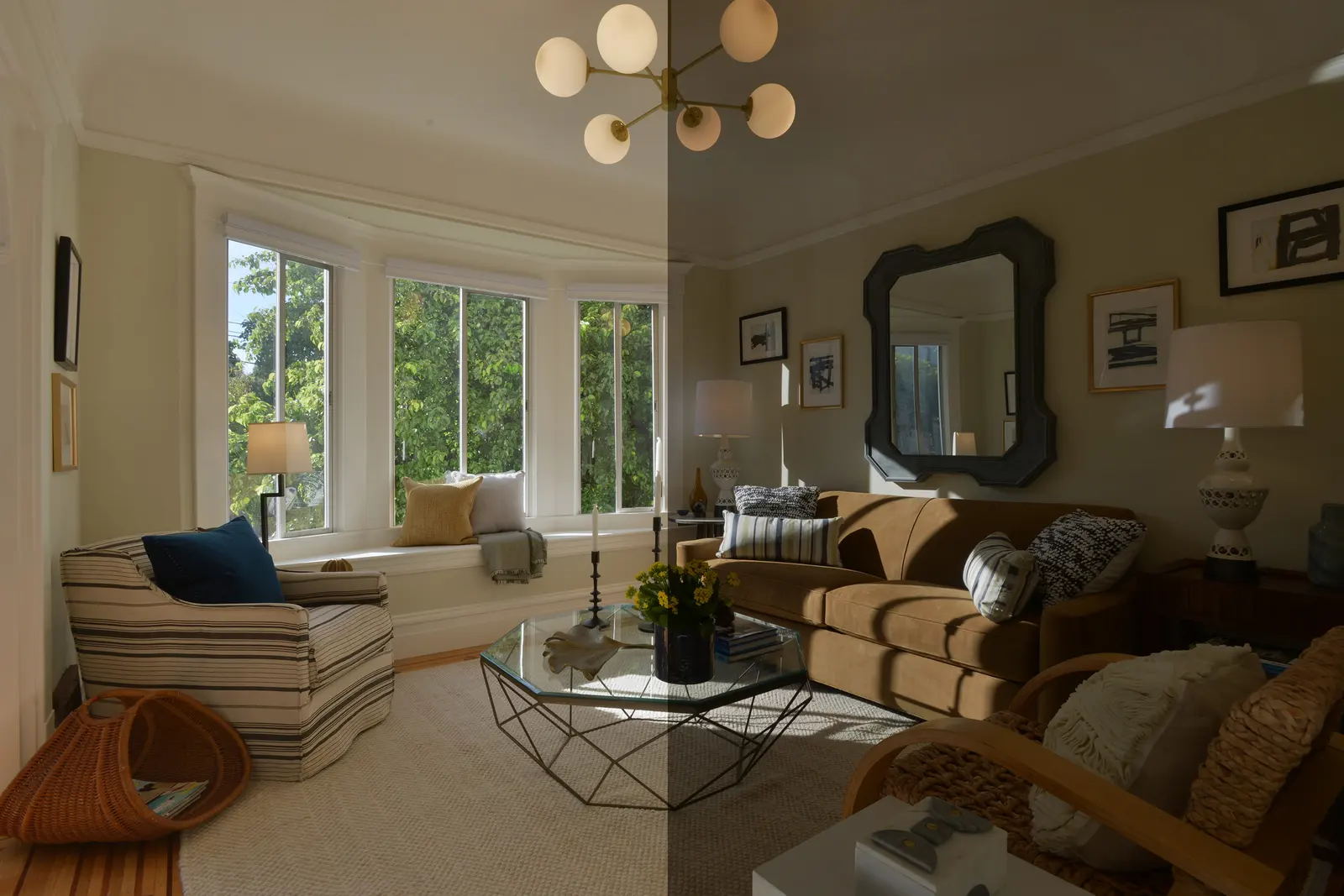
AI made photos fast. It also made them look the same
AI editing is a real step forward. In seconds it can brighten a room, fix a grey sky and clean up a window. For many everyday listings, that is enough, and we offer it ourselves in Studio AI.
But scroll through a listing site today and you will notice something: many rooms look the same. Every wall is equally bright. Every corner is lit. Every window is the same blue. Nothing is wrong, yet nothing stands out either.
That is because software aims for "correct". A good editor aims for "this is how the room felt when you stood in it".
What a human editor decides in every photo
Hand blending is not just merging brackets. It is a series of small decisions that software does not make for you:
- Where the light falls. A bright room should still have a direction of light: from the window, across the floor, softer at the back. That is what gives a photo depth.
- What stays warm. The glow of a bedside lamp or a pendant over the kitchen bench makes a room feel lived in. An editor keeps it instead of washing it out.
- What to keep from the moment. A patch of afternoon sun on the floor, a soft shadow under a chair. Small things that make a photo feel real.
- Which shadows to keep. Not every corner needs to be bright. A little shade gives shape to furniture and texture to walls.
- How the window and the room work together. The view should look natural with the room's light, not pasted on. See our guide to window pulls.
- True colour. White walls look white, timber looks like timber, and the colour matches what the buyer will see at the viewing.
Each decision is small. Together they are the difference between a photo that is correct and a photo that makes someone want to visit.
The same style, every image, every order
Feeling is only half of it. Demanding clients also need consistency: the first and last photo of a shoot should look like they belong together, and this week's listing should look like last week's.
At We-Edit, every hand blend follows your own style guide: how bright, how warm, how much shadow, what kind of window view. A separate QC editor then checks every image and the whole set before delivery. More on this in how we work for demanding clients.
Hand blending or AI: use each where it fits
| Job | Better choice |
|---|---|
| Hero listings and premium homes | Hand blending |
| Tricky light: bright windows, mixed lamps, dark corners | Hand blending |
| A strict brand look across many photographers | Hand blending |
| Quick, low-cost listings | AI |
| Previews, social posts and marketing extras | AI |
There is no need to pick one forever. Many of our clients send their best listings to our editors and use AI for the rest. For a fuller comparison, read human vs AI real estate photo editing.
How to get the most from hand blending
- Shoot a full set of brackets for each angle, on a tripod. More good frames give the editor more to work with. If you shoot flash too, see HDR vs flambient.
- Turn on the lights you want to keep. Lamps, pendants, the fireplace: the editor can keep their glow, but cannot invent it naturally.
- Tell us the mood. "Bright and airy", "warm and cosy" or "crisp and modern" are all fine. It goes into your style guide.
- Send one or two photos you love. From any photographer. It shows the feeling you want faster than words.
Feel the difference on your own photos
The best test is your own work. Send 3 photos for a free test edit, tell us the mood you want, and compare the result with what you get today. Learn more about our Manual Blending service.