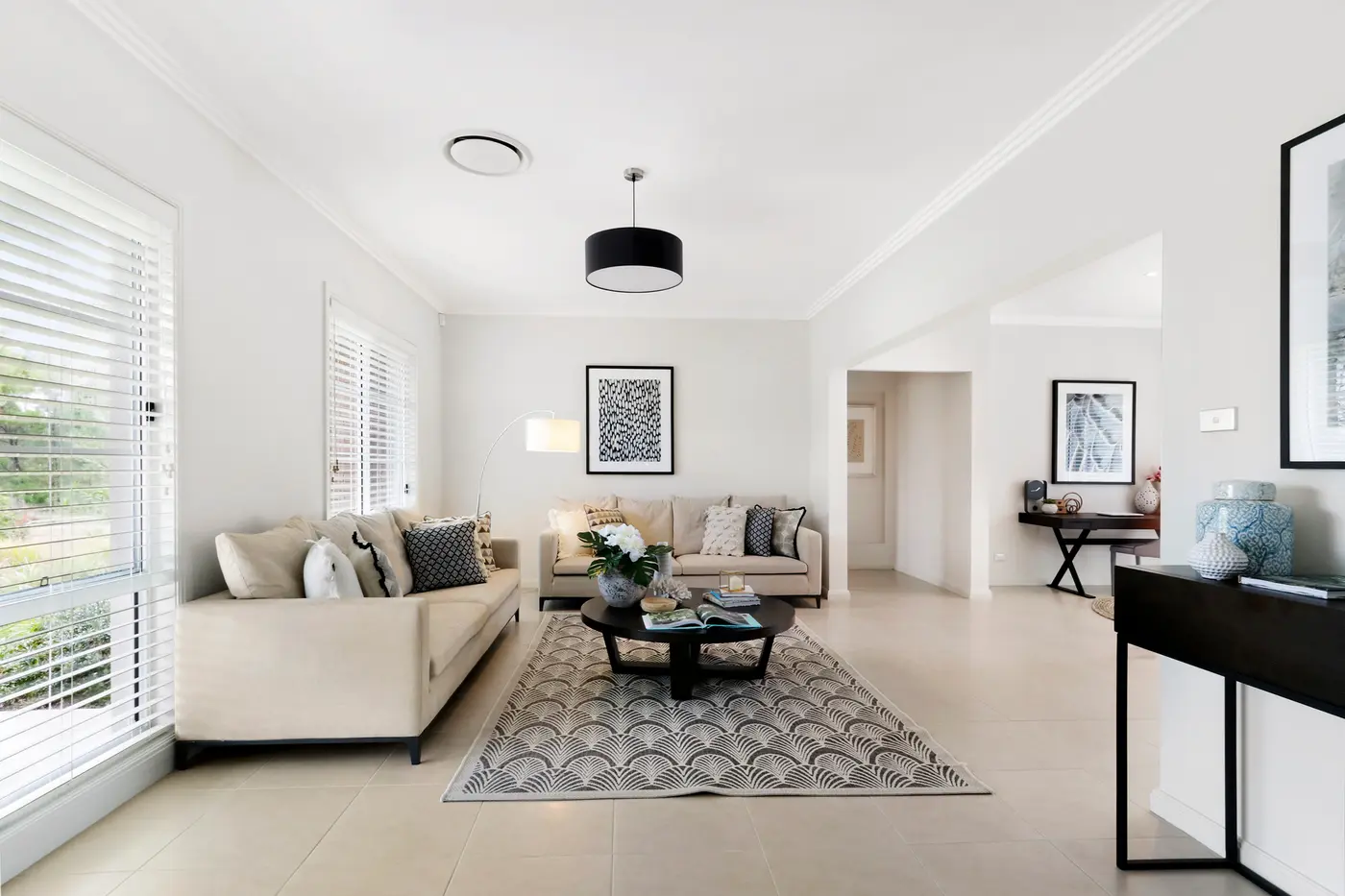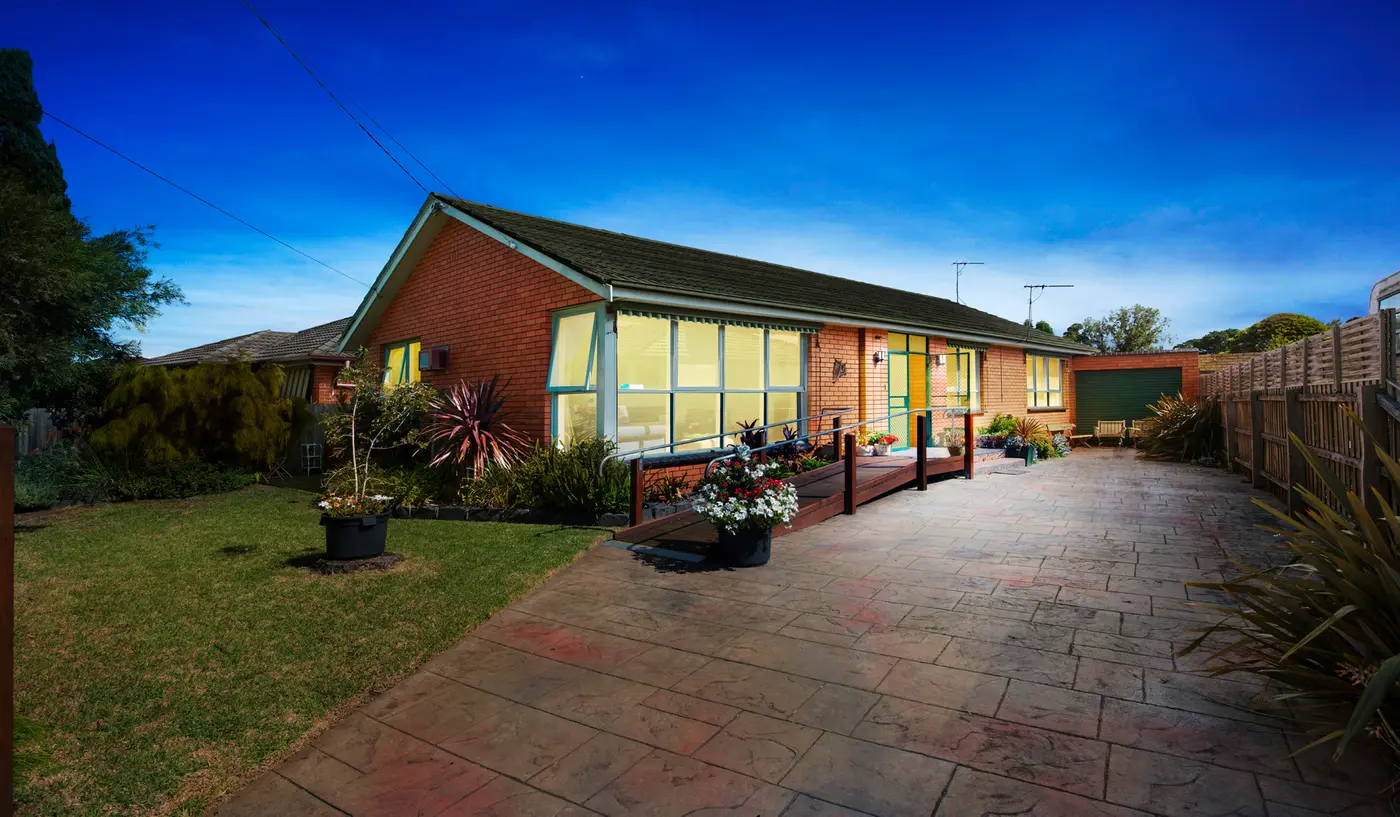
Some clients forgive a small mistake. Our best clients do not, and they are right. A photographer who delivers to agents by 8 am, an agency with a strict brand look, a team that shoots hundreds of homes a week: for them, "nearly right" means a lost morning, a re-shoot or an unhappy seller. This post explains what we are doing to meet that standard, every order, every week.
1. Your own SLA, not a standard one
Every demanding client has different needs. One needs photos by 7 am in Sydney. Another needs rush jobs back in a few hours. Another sends a big batch every Friday night.
So we agree the deadline with you, and write it down in your client notes, next to your style guide:
- the delivery time, in your time zone;
- how fast revisions come back;
- any special notes, such as a listing that always goes live on a set day.
A few things are the same for every client:
- Rush orders are welcome, at no extra cost. Tell us the job is urgent and it moves to the front of the queue. You never pay more for speed.
- Public holidays are normal working days. Our team works through holidays as usual, so your orders are not held up.
- Weekend work is available with advance notice. Let us know before the weekend so we can plan the team. Weekend work has a surcharge, because our editors are paid extra for working weekends.
That promise is then set on your account in our production platform. Every order you send gets its own clock from the moment it arrives, and the team is warned before a job is close to its deadline, not after it is late. When work is assigned, jobs with the closest deadline go first.
If a delay ever becomes possible, for example because a file arrives broken or incomplete, we tell you early, not at the deadline.
2. A style guide made for you alone
Two clients can send us the same kind of photo and want two very different results.
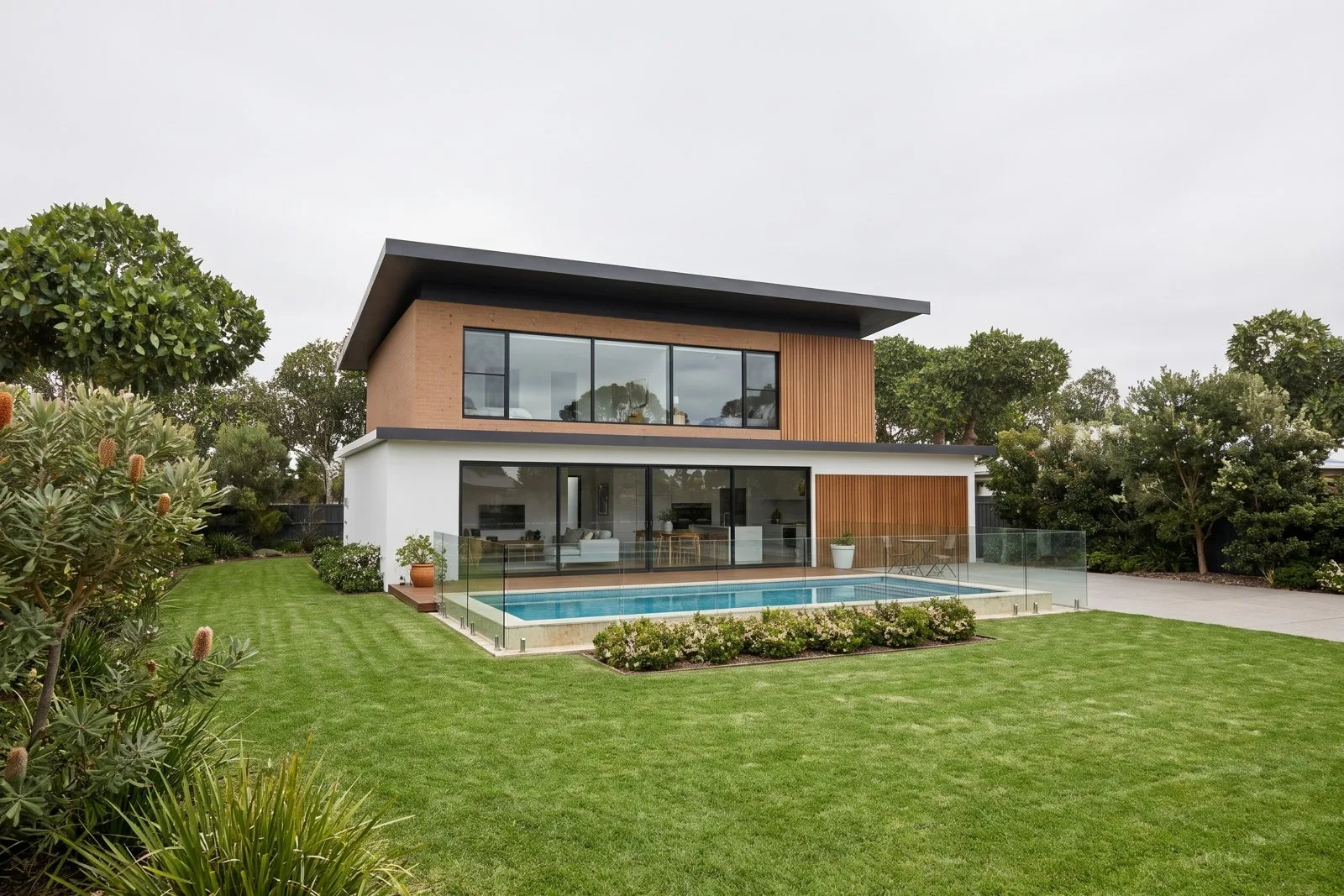


Both are correct, for the right client. That is why every client gets their own style guide, built from your brief and from the images you have already approved. It covers:
- colour: how white your walls should look, how warm the wood should be;
- brightness: how bright rooms should be, and how dark the shadows can go;
- windows and skies: whether to show the view, what kind of sky, and what to keep (see our sky rules and window pull guide);
- lines: how straight verticals must be;
- retouching: what may be removed and what must stay (see item removal);
- delivery: file size, naming and folders.
Your guide is a living document. Each time you give feedback, the guide is updated, so the next order already includes it. You should never have to say the same thing twice.
3. Several layers of quality control
One check is not enough for a client who expects every image to be right. Each image passes through several layers:
- Your files are checked when they arrive. Before editing starts, someone always checks your input files: missing brackets, broken files, blurry or badly exposed frames. If there is a problem, or a tip that would make your next shoot easier to edit, we tell you straight away, not at delivery.
- The editor checks their own work. Before handing in, the editor compares every image with your style guide.
- A separate QC editor checks every image. The person who edits an image is never the person who approves it. Anything not right goes back to the editor with a clear error type.
- The whole order is checked as a set. Images are viewed side by side, so the colour, brightness and sky match from the first image to the last.
- Revisions go through the same path. A fix is checked again before it goes back to you.
The platform records each step, so we always know who edited, who checked and what was fixed. More on how this works in how We-Edit runs every order.
4. Quality updates and training every week
Catching mistakes is good. Making sure they do not happen again is better.
Every week, the QC team reviews the images they sent back:
- What went wrong: colour, light, blending, consistency, windows and skies, retouching or straight lines.
- For which client: so that client's style guide can be updated straight away.
- For which editor: so each editor knows exactly what to improve.
Then the training follows the errors. Our editors learn by skill, in groups by level, using real photos and real QC examples. If colour was the most common problem this week, colour is what we train next week.
The result is simple: the same mistake should not come back twice, either for you or for any other client.
5. Your own team and quick answers
Demanding clients get a dedicated team of editors who know their style. When you have a question or a change, you reach our customer service team and the quality team leader directly, so the answer comes from the people who check your images, not from a ticket queue. When your team changes or grows, the new editor starts from your style guide, not from zero.
What this means for you
- On time, by your own clock, not by a general promise;
- your look, kept, across every order and every editor;
- fewer revisions, because problems are found before you see them;
- a team that gets better each week at exactly what you care about.
Hold us to your standard
The best way to judge us is with your own photos. Send 3 photos for a free test edit, include your brief and tell us what matters most to you. Read more about our human editing services.