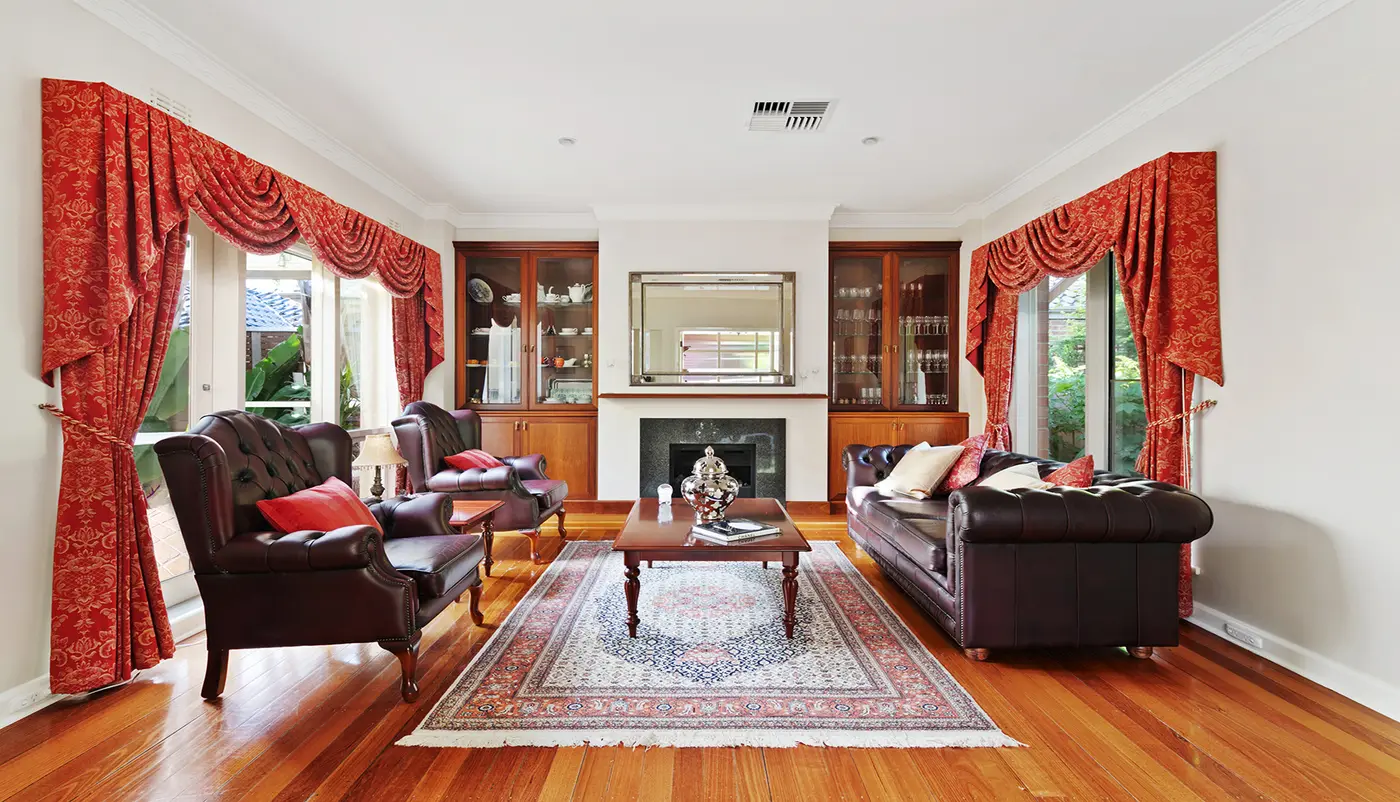
Good item removal is invisible. The buyer should see a clean, calm home and never wonder what was there before. But a cleaner photo is only useful if it is still true: when the buyer walks in, the home must match the pictures. This guide explains where our editors draw that line.

Temporary or permanent? The one question that decides
Before anything is removed, the editor asks one question: will the buyer find this item when they visit?
- Temporary items come and go with the owner, the day or the weather. They can be removed.
- Permanent features belong to the property or its surroundings. They stay, even when they are not pretty.
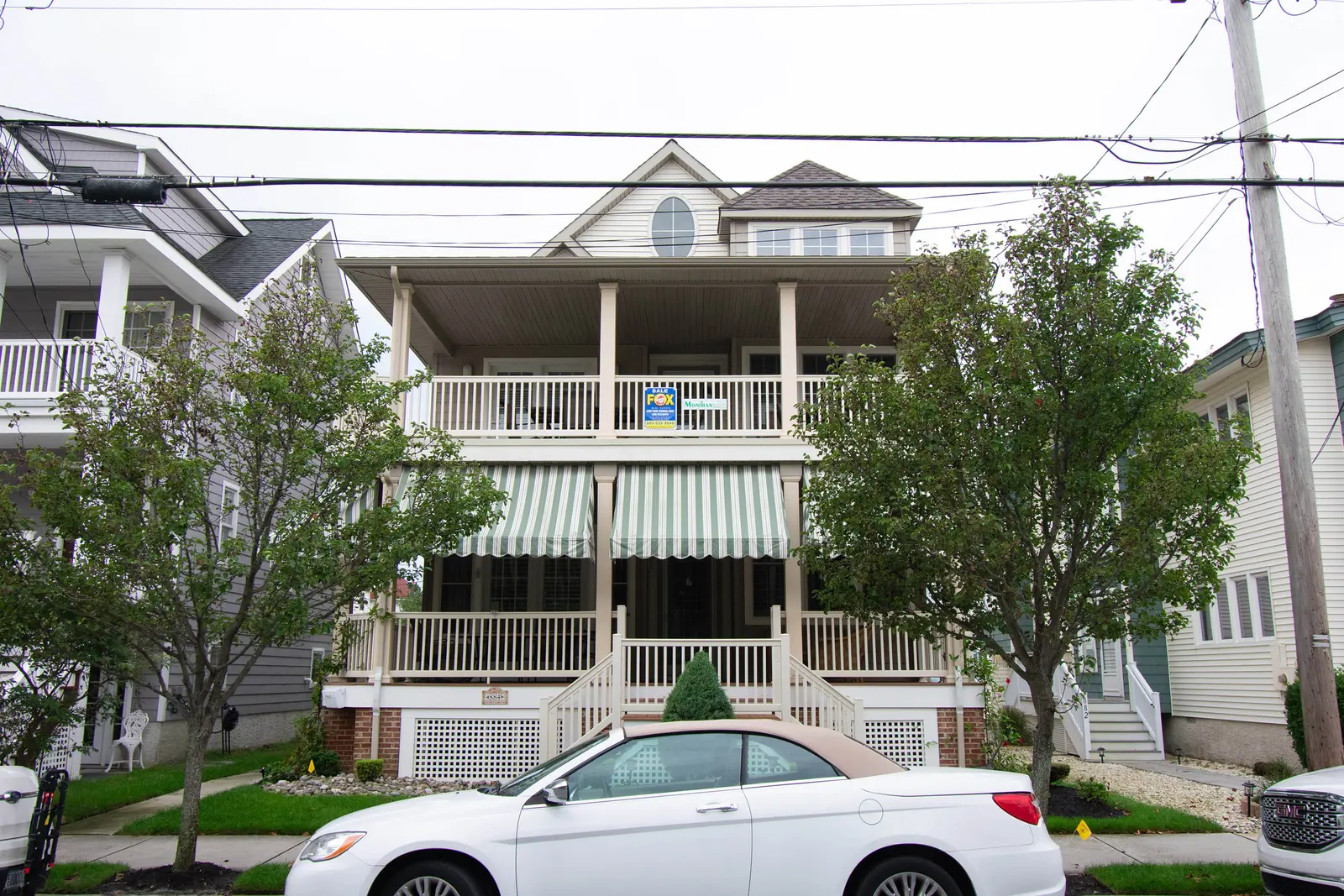
In the photo above, the car belongs to someone who parked there that morning. It will not be there at the viewing, so it comes out. The house, the trees, the neighbours and the street all stay exactly as they are.
What we remove
Outside
- cars, vans and bikes parked in front of the home;
- wheelie bins, hoses, ladders, garden tools and toys on the lawn;
- for-sale signs from a previous campaign, if the agent asks;
- small marks on driveways and paths, such as oil stains and fallen leaves.
Inside
- personal photos, fridge magnets, mail, keys and toiletries;
- cables under desks and TVs;
- the photographer, tripod or flash in mirrors, glass and TV screens;
- small scuffs and marks on walls and skirting boards;
- whole rooms of furniture, when the room will be virtually staged.
What we leave alone
- Damage: cracks, damp patches, broken tiles, peeling paint and water stains on ceilings.
- Fixed features: power poles, transformers, air-conditioning units, water tanks and satellite dishes fixed to the building.
- The surroundings: neighbouring buildings, a busy road, a car park or a train line.
- The view: we never paste a better view into a window. For what we do with windows, see our guide to window pulls.
If an item is borderline, the editor asks before removing it rather than guessing.
A note on power lines
Overhead lines are the most common grey area. They are permanent, but they cross the sky and distract from the house. Some agents ask for them to be removed or softened; others must keep them. Check your local listing rules and put a clear note in your order, such as "remove lines in the sky, keep the pole". The same goes for the sky itself, which follows our sky replacement rules.
How editors make a removal disappear
Removing an item is easy. Rebuilding what was behind it is the real work.
- Rebuild the surface. The editor continues the lawn, the brickwork, the floorboards or the tiles with the right pattern, size and direction.
- Rebuild the light. Shadows the item cast are removed; shadows that other objects cast across the same spot are kept.
- Check the edges. Where the item touched a wall, a step or a kerb, the line must stay straight and sharp.
- Look for repeats. A copied patch of grass or a repeated tile is the most common sign of a lazy edit.
- Second check. A separate QC editor reviews every image before delivery.
How to shoot so removals look natural
- Move what you can. Moving a bin takes ten seconds; rebuilding the fence behind it takes much longer and never looks quite as good.
- Use a tripod. If you move an item between frames, the editor can use the clean frame directly.
- Shoot an extra frame for big objects. For a parked car, shoot again if it leaves, or from a slightly different angle so more of the background is visible.
- Mind patterned surfaces. An item on a detailed rug or tiled floor is harder to remove than one on plain carpet.
- Write clear notes. List what to remove and what to keep, per image if needed.
Send us a test
Item removal is part of our human editing services, checked by QC before delivery. Send 3 photos for a free test edit with your notes, and see how clean your listing can look while staying true to the home.