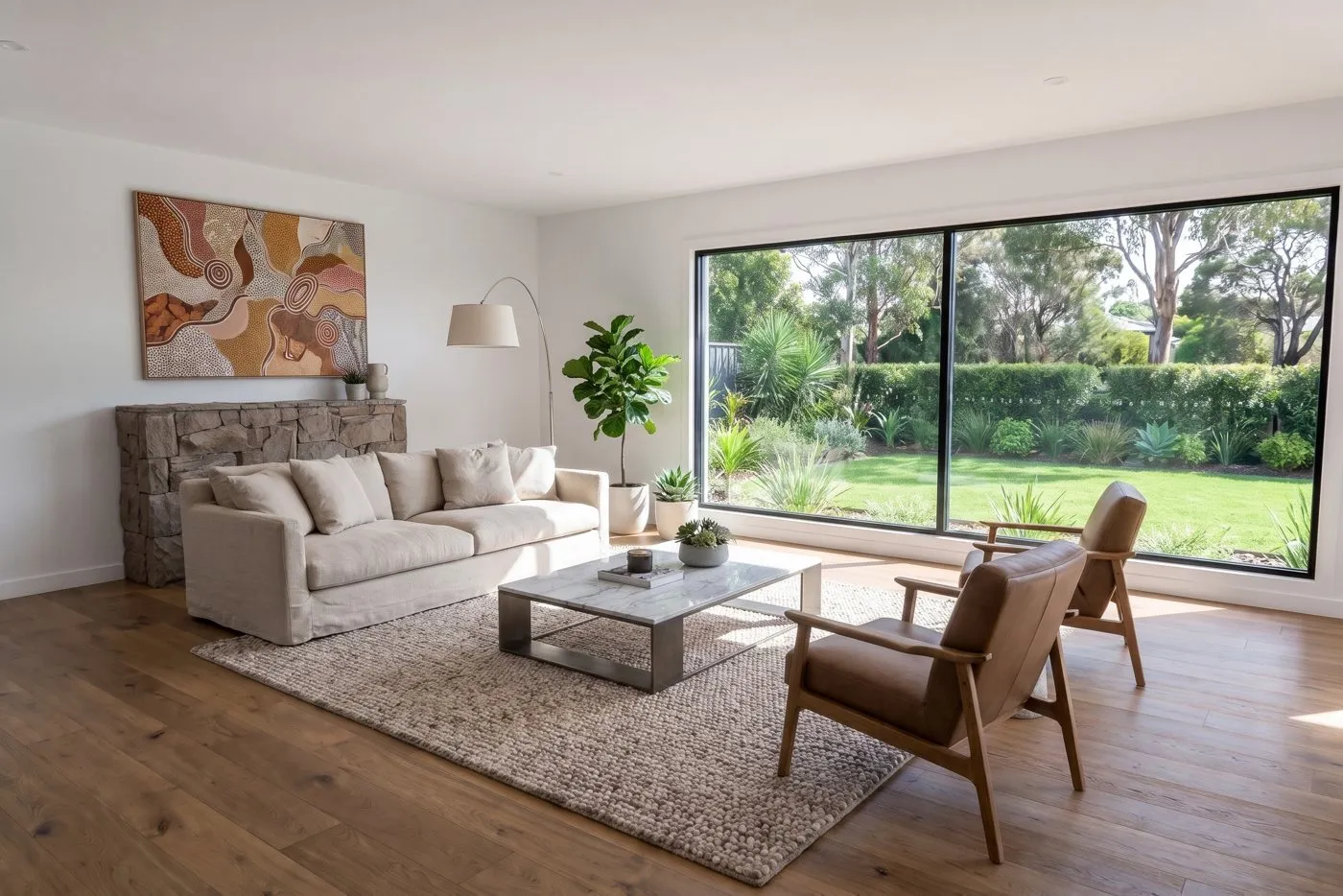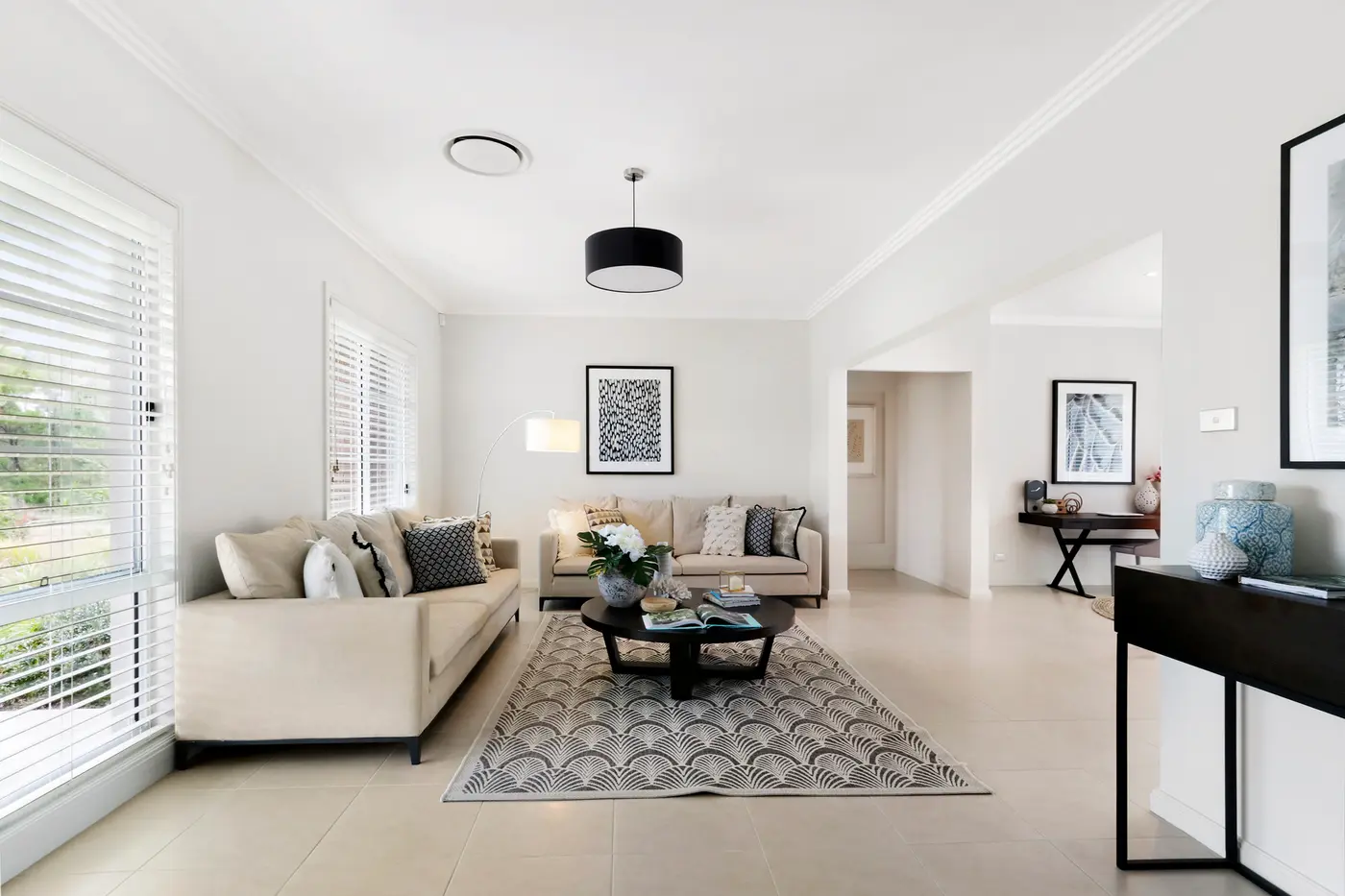

Short answer: use human editors for listings where every detail matters (premium homes, tricky light, strict brand styles, large volumes that must look identical) and use AI for fast, low-stakes jobs such as quick sky swaps, twilight previews, staging ideas and social media content. Most busy photographers now use both.
We-Edit, a real estate photo editing company in Hanoi, Vietnam, runs both: a team of 60+ trained editors for human editing, and Studio AI by We-Edit, a self-serve app where the AI does the work. Here is how to decide which to use for each job.
How human real estate photo editing works
A professional editing service gives your photos to trained editors who follow your saved style guide. At We-Edit, every image is then checked by a separate QC editor before delivery. You send a Dropbox, Google Drive or WeTransfer link, and the photos are ready by morning.
Human editing is strongest when:
- the light is difficult: bright windows, mixed colour temperatures, dark corners
- you shoot brackets for HDR or flambient blends
- you need the same look across hundreds of images
- the client is demanding and mistakes are expensive
How AI real estate photo editing works
An AI editing tool processes each photo automatically. You upload, choose an edit (blue sky, twilight, added sunshine, virtual staging) and download the result a few minutes later. There is no editor and no QC step: you are the quality check.
AI is strongest when:
- you need the result now, not tomorrow
- the edit is simple and visual (sky, twilight, brightening)
- you want options to show a client, such as several staging styles
- you are making marketing extras: short videos, property websites, social clips
Human vs AI: side-by-side
| Human editing | AI editing | |
|---|---|---|
| Who edits | Trained editors | AI, automatically |
| Quality check | Separate QC editor, every image | You review the result |
| Speed | Overnight | Minutes |
| Consistency across a big shoot | Very high, style guide per client | Varies from image to image |
| Complex light and blends | Strong | Weaker |
| Best for | Premium listings, complex edits, volume | Quick jobs, previews, marketing extras |
A simple rule for choosing
Ask one question: "If this image goes wrong, who notices?"
- If the seller, the agent or the buyer would notice, send it to human editors.
- If it is a preview, a social post or an idea for the client, AI is usually enough.
Using both without confusing your clients
- Keep one look. Pick one style for each client and stick to it, whichever way you edit.
- Label virtual staging. Many listing platforms expect virtually staged photos to be disclosed. Add a short label such as "Virtually staged".
- Check AI results at 100% zoom before delivering: window frames, straight lines, reflections and small objects.
Try both with We-Edit
- Human editing: send 3 photos for a free test edit, with a second QC check on every image.
- Studio AI by We-Edit: create an account, upload a photo and see the result in minutes, with 20 free credits when you sign up.