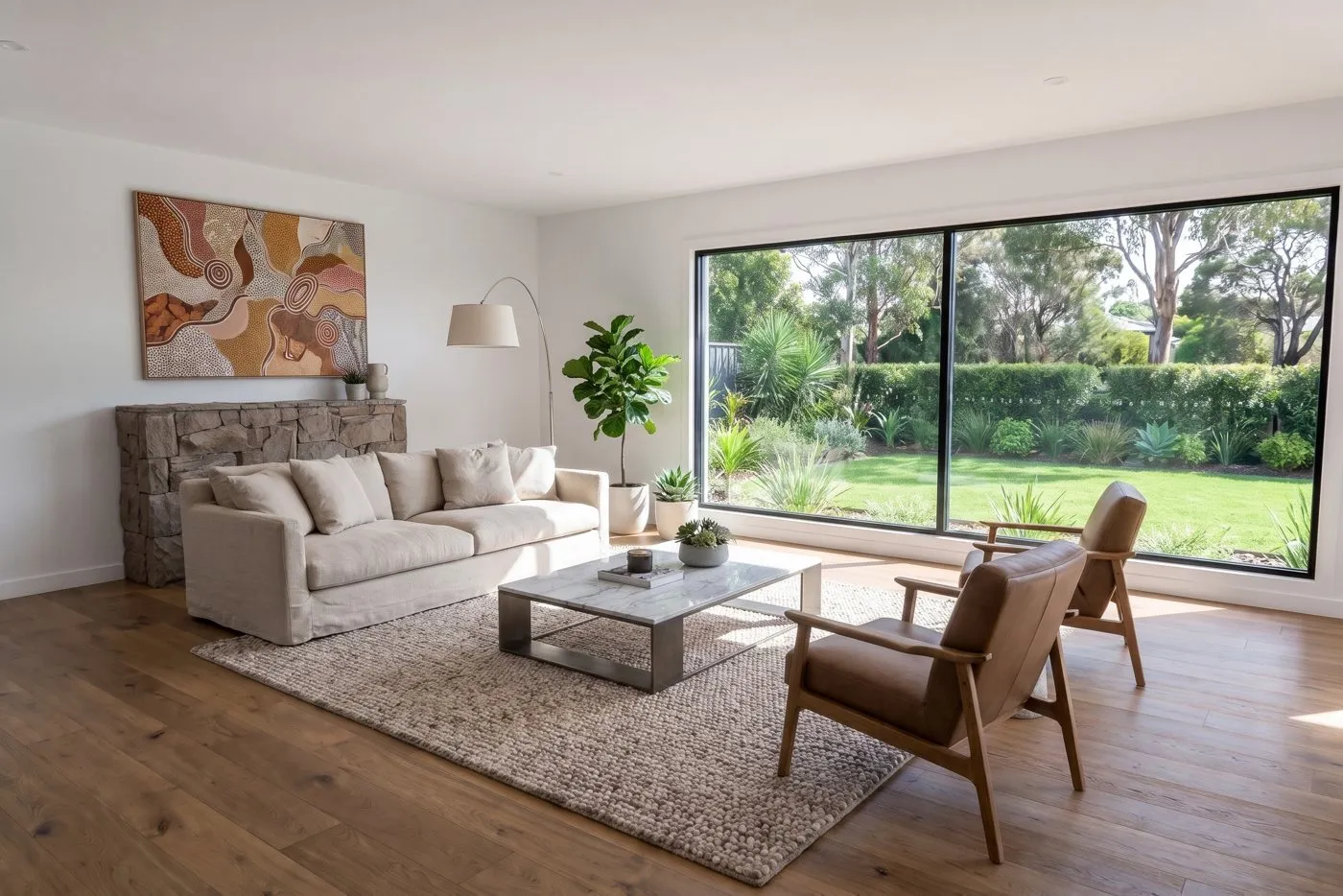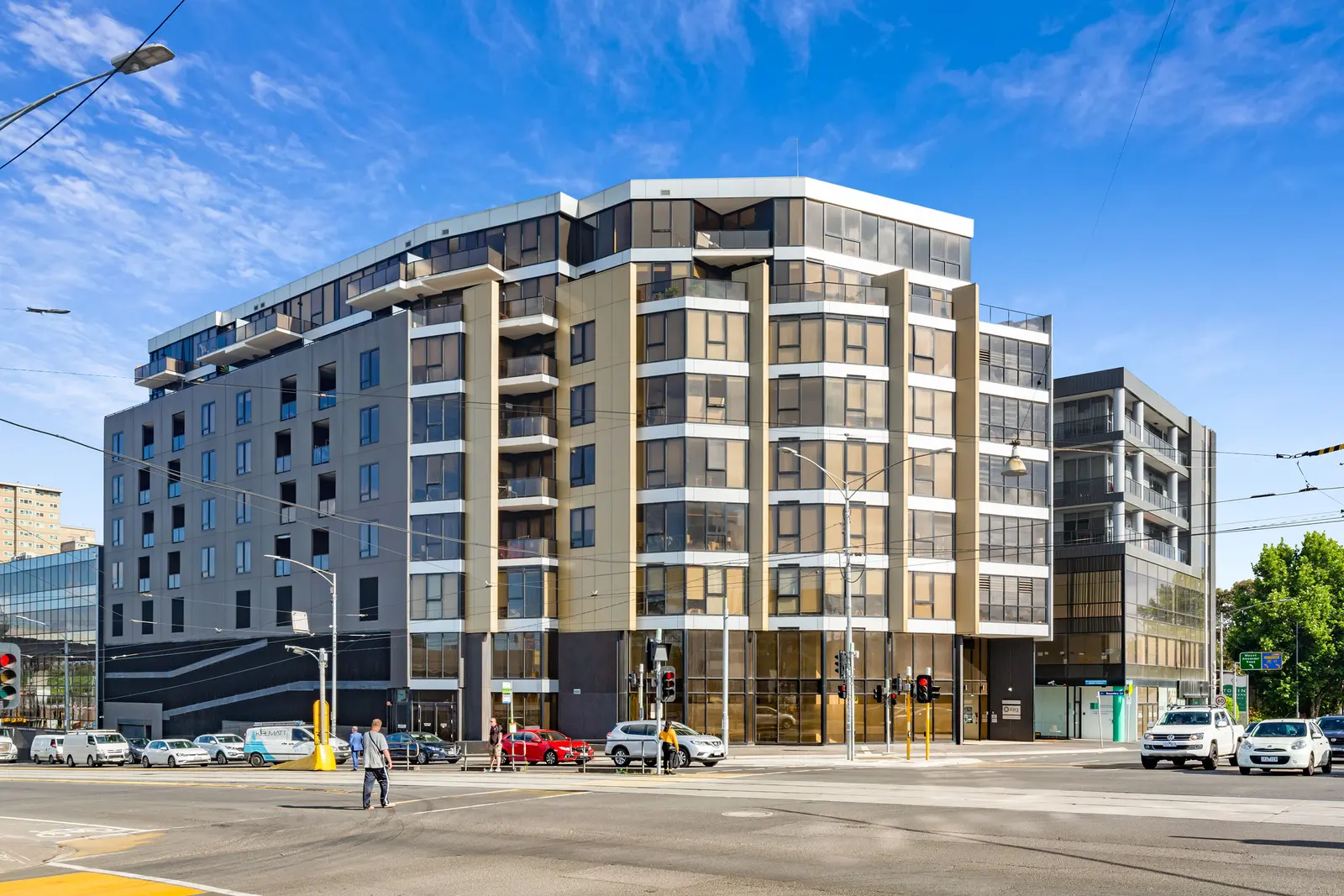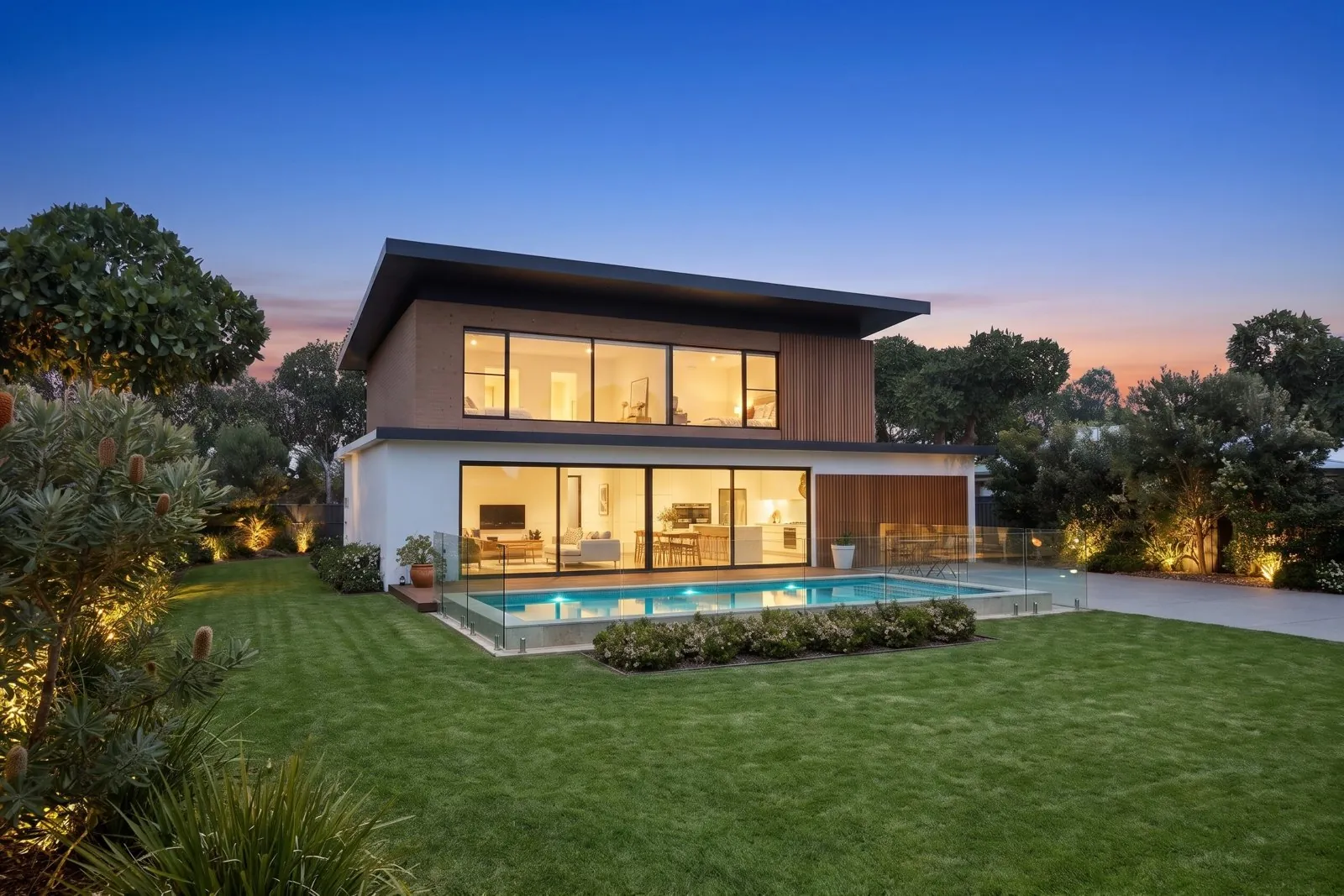
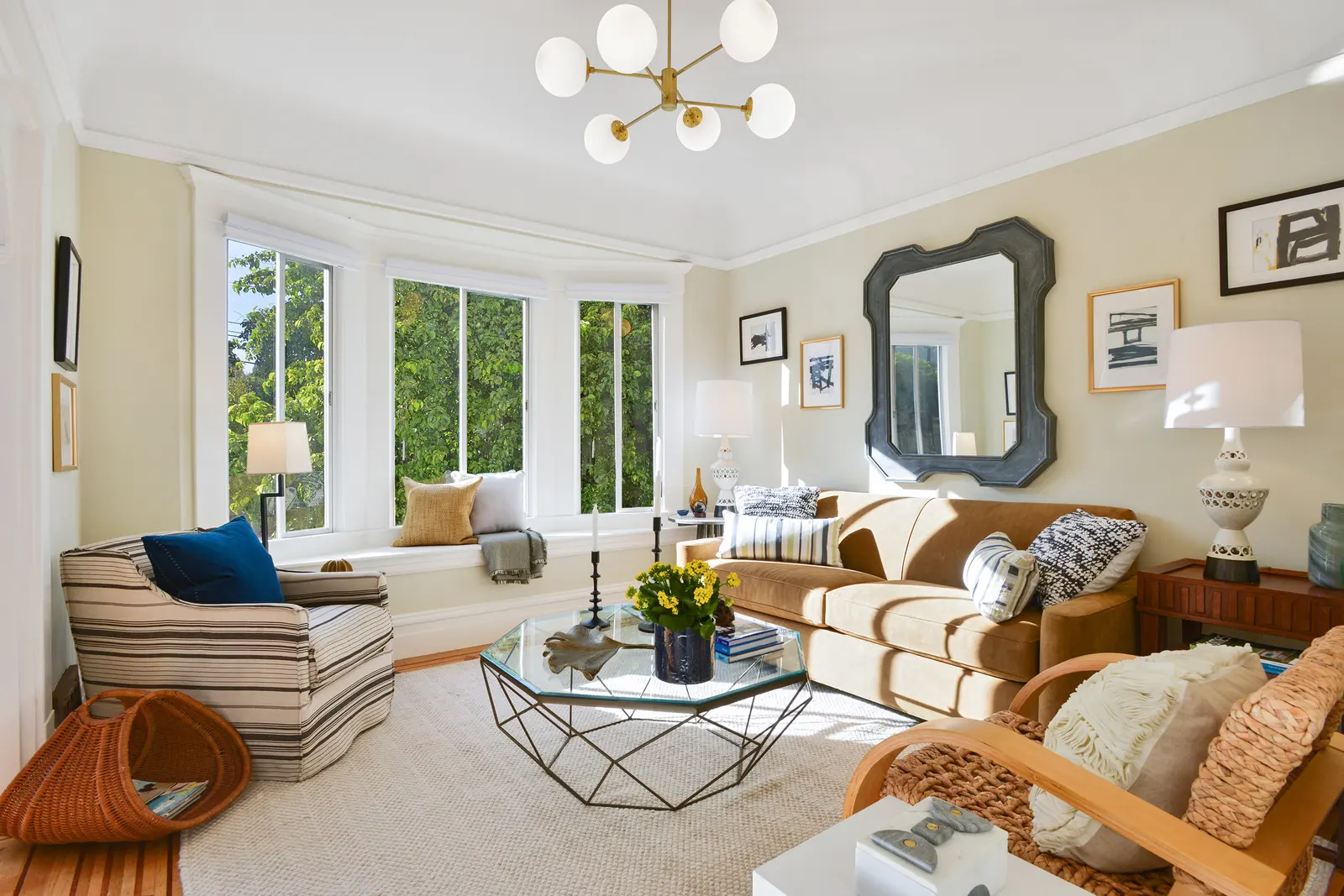
Every real estate photographer eventually hits the same question: should I shoot HDR or flambient? Both can produce bright, sellable listing photos. The difference is in how the light is captured on site — and how much work happens in editing.
Below is a practical comparison from the editors who blend both styles every night.
What is HDR real estate editing?
HDR (high dynamic range) means shooting several exposures of the same frame — typically 3 to 5 brackets — and blending them so both the dark corners and the bright windows are properly exposed.
Pros
- Fast on site: no flash setup, just a tripod and auto-bracketing
- Natural look when the home has good, even light
- Lower editing cost per image
Watch out for
- Colour casts from mixed light sources (warm bulbs + daylight)
- Grey or "muddy" walls if the blend isn't corrected by hand
- Halos around windows with very bright views
What is flambient editing?
Flambient = flash + ambient. You capture an ambient exposure for mood and a flash exposure for clean colour and detail, then the editor blends them by hand.
Pros
- Clean, true-to-life whites and colours
- Crisp window views and sharper detail
- Consistent results across rooms with mixed lighting
Watch out for
- More time on site (flash positioning for each room)
- More frames to send and a higher editing cost per image
Side-by-side comparison
| HDR | Flambient | |
|---|---|---|
| Time on site | Faster | Slower |
| Frames per image | 3–5 brackets | 1–3 ambient + 1–3 flash |
| Colour accuracy | Good in even light | Excellent in mixed light |
| Window views | Good | Excellent |
| Editing cost | Lower | Higher |
| Best for | Bright homes, volume shoots | Kitchens, living areas, luxury listings |
Which style should you choose?
- High-volume, standard listings: HDR keeps you fast on site and keeps editing costs down.
- Luxury homes or agents who want a magazine look: flambient is worth the extra time.
- Mixed approach: many photographers shoot HDR for bedrooms and bathrooms, and flambient for the hero rooms — kitchen, living and dining.
Tip: whatever style you choose, keep it consistent within one listing. Buyers notice when rooms look like they were shot by different people.
How to send your files to an editor
- Keep each composition's brackets or flash frames together (one folder per image, or consistent file numbering).
- Send RAW or DNG if you can — it gives the editor more room to recover highlights.
- Add short style notes: white balance preference, sky style, whether to keep or remove the TV screen, and so on.
- Share one Dropbox, Google Drive or WeTransfer link per listing.
Try both on your own photos
Not sure which style suits your market? Send us 3 images — one HDR set and one flambient set if you have them — and we'll edit both free so you can compare.